
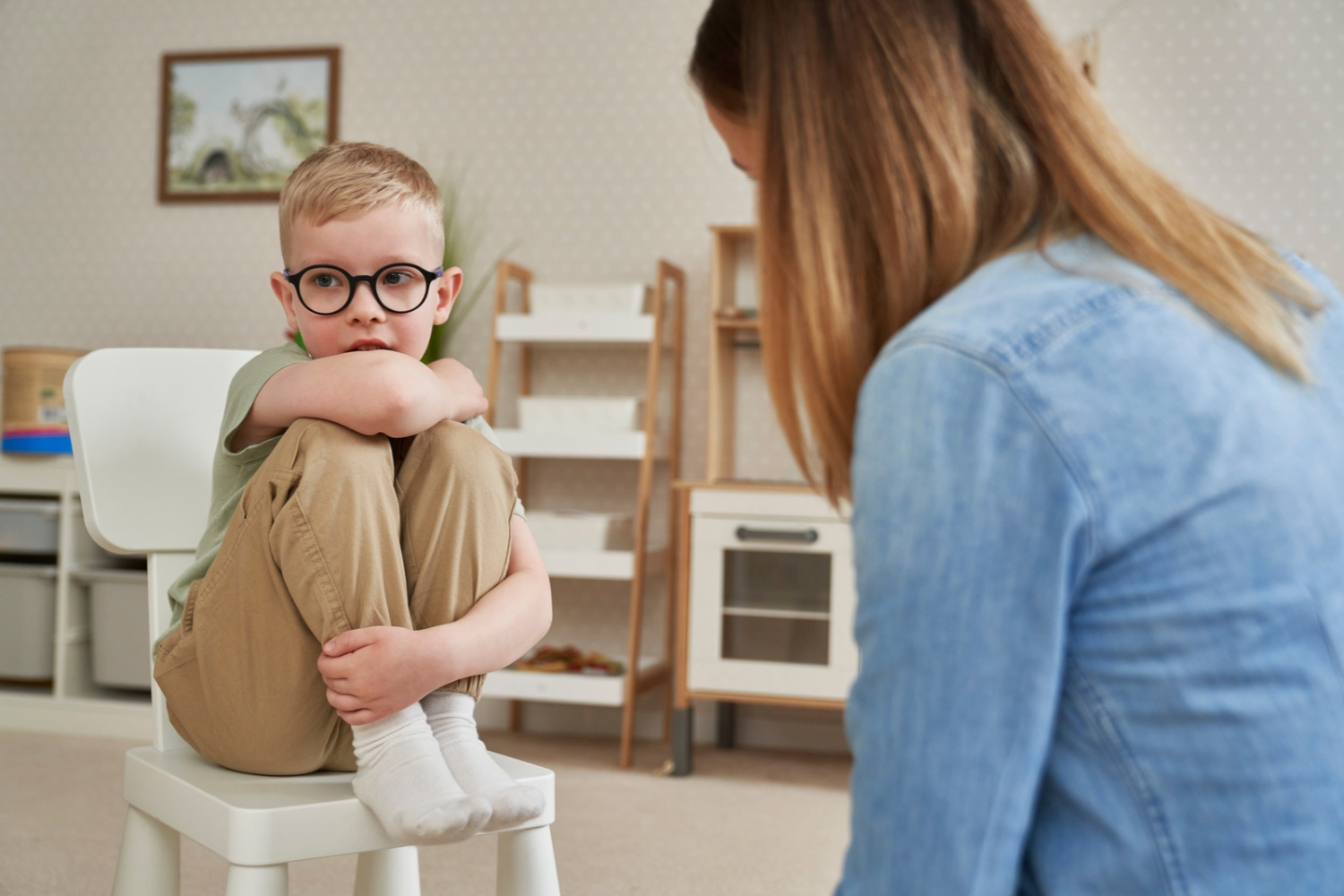
Helping Children Handle Big Emotions: Practical Tips for Parents
A child’s feelings can seem to change in an instant. A disappointing answer, a difficult school day, or a change in plans may lead to tears, anger, or a meltdown. These moments can be hard for parents, especially when you’re unsure whether to offer comfort, set a limit, or give your child space.
Learning to manage emotions takes time. At Pediatric Affiliates, we partner with families to support children’s physical, emotional, and behavioral health. Understanding what may be behind an outburst can help you respond to your child and recognize when it’s time to ask for additional guidance.
Why Do Children Have Big Emotional Reactions?
Young children are still learning to identify feelings, communicate what they need, and pause before reacting. An outburst may happen when they’re frustrated, overwhelmed, or unable to put their experience into words. Older children can struggle with strong feelings, too, even if they express them differently.
Common triggers include:
- Hunger or tiredness
- Changes in routine
- Trouble completing a new task
- A noisy or busy environment
- Disagreements with friends or family
- Changes at home or school
A reaction that seems to come from nowhere may make more sense when you consider what happened earlier in the day. Looking for patterns can help you prepare for situations your child finds difficult.
What Can You Do During a Meltdown?
When your child is very upset, start by keeping them and others safe. Then focus on helping the moment settle. A long explanation can wait until your child is ready to listen.
Try to:
- Speak calmly and use a few simple words. Your tone can help set the pace of the interaction.
- Acknowledge the feeling. You might say, “You’re disappointed that we have to leave.”
- Hold a clear limit when needed. For example: “I won’t let you hit. I’m going to move us apart.”
- Offer comfort or space. Some children want you close; others need a little room while you remain available.
A calm voice, listening, and connection can help a child begin to settle during a stressful moment. It’s okay to pause and steady yourself before responding, too.
Help Your Child Put Feelings Into Words
Talk about what happened after your child has calmed down. You can name a possible feeling without assuming you know exactly what they experienced: “I wonder if you felt left out,” or “That looked frustrating.”
In quieter moments, practice talking about emotions in books, during play, or after everyday challenges. You can also let your child hear how you handle your own feelings: “I’m frustrated, so I’m going to take a breath before I try again.” This gives them language and an example they can use over time.
Practice Calming Skills Before They’re Needed
Different strategies work for different children. When everyone is calm, invite your child to try a few options, such as:
- Taking slow breaths together
- Moving to a quieter spot
- Holding a favorite toy
- Drawing or describing what happened
- Taking a short break and returning to the conversation later
You can also make difficult parts of the day more predictable with regular meals and sleep, reminders before transitions, and simple choices when appropriate. These steps won’t prevent every outburst, but they may make some moments easier to manage.
How Does Support Change as Children Grow?
Toddlers and preschoolers often need an adult’s help to calm down. Use short phrases, predictable routines, and reassurance while maintaining safety and limits.
School-age children may be better able to describe what happened once they’ve settled. Ask what they noticed in their body, what made the situation hard, and what they might try next time.
Older children and teens may need room to talk without feeling rushed or judged. Listen first, then work together on possible next steps.
Children develop these skills at different rates. What helps one child may not help another, and strategies may need to change as your child grows.
When Should You Talk with Your Child’s Pediatric Provider?
Occasional outbursts can be part of growing up. Reach out if you’re concerned about the frequency, intensity, or impact of your child’s reactions—especially if emotions or behavior are disrupting school, friendships, family life, or daily activities. You should also tell your provider about aggression, withdrawal, persistent anxiety, or changes that worry you. You don’t have to decide on your own whether a behavior is “normal” before asking.
At Pediatric Affiliates, a behavioral health evaluation can help us understand your child’s concerns and recommend next steps. Depending on their needs, recommendations may include strategies for home or school, follow-up care, medication management when appropriate, or a referral to an outside specialist. To schedule an evaluation, call your nearest Pediatric Affiliates location.
Remember to Take Care of Yourself, Too
Helping a child through repeated outbursts can be exhausting. If you’re feeling overwhelmed, ask a trusted person for support or take a brief break when your child is safe. You don’t need to respond perfectly every time. Returning to the conversation after a hard moment also gives your child a chance to see how people repair and try again.
Big emotions are opportunities to practice skills, with help from the adults children trust. If you have questions about your child’s emotional or behavioral development, our Pediatric Affiliates team is here to listen and help you decide what comes next.
This article provides general information and does not replace guidance from your child’s healthcare provider.