Seasonal Allergies in Children: Symptoms, Triggers & Tips for Parents
Helping Your Child Find Relief During Allergy Season
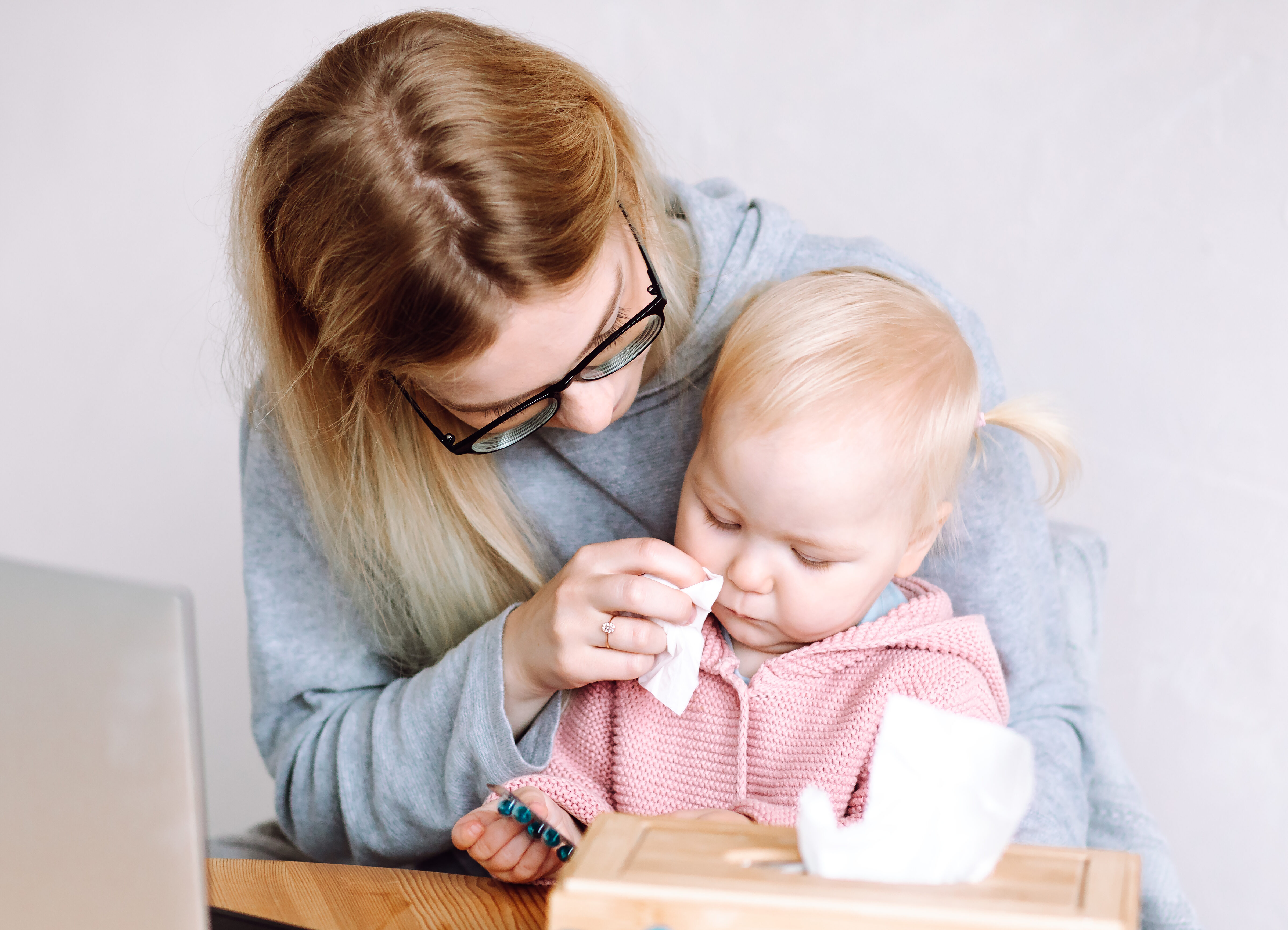
We all dread it—allergy season. Sneezing, a runny nose, itchy eyes—when these symptoms show up, it can be difficult to tell whether your child is coming down with a cold or dealing with seasonal allergies. If symptoms seem to return around the same time each year, seasonal allergies may be the cause.
Seasonal allergies, sometimes called hay fever or seasonal allergic rhinitis, occur when your child’s immune system reacts to allergens in the environment. Common seasonal triggers include pollen from trees, grasses, and weeds, as well as outdoor mold spores.
At Pediatric Affiliates, we understand how frustrating allergy symptoms can be for both children and parents. While seasonal allergies are common, ongoing symptoms can interfere with sleep, school, sports, outdoor activities, and your child’s overall comfort. Understanding the signs and knowing when to talk with your pediatric provider can help your family navigate allergy season with greater confidence.
What Causes Seasonal Allergies in Children?
Allergies occur when the immune system reacts to a normally harmless substance, known as an allergen, as though it poses a threat. This response can lead to the familiar sneezing, congestion, itching, and watery eyes associated with seasonal allergies.
Unlike year-round allergies triggered by substances such as dust mites or pet dander, seasonal allergy symptoms tend to appear during certain times of the year.
Your child’s symptoms may vary depending on which allergens affect them and when those allergens are most prevalent.
Common Seasonal Allergy Symptoms in Kids
Seasonal allergies don’t look exactly the same in every child. Some children experience mild symptoms, while others may have symptoms that interfere with everyday activities.
Common signs of seasonal allergies in children may include:
- Frequent sneezing
- Runny or stuffy nose
- Nasal congestion
- Itchy nose or throat
- Red, itchy, or watery eyes
- Frequent nose rubbing or sniffling
- Throat clearing
- Coughing
- Fatigue or difficulty concentrating
- Trouble sleeping due to congestion
If your child’s symptoms appear around the same time each year or continue for several weeks, consider discussing seasonal allergies with your pediatric provider.
Seasonal Allergies vs. a Cold: How Can You Tell the Difference?
Seasonal allergies and the common cold can share several symptoms, particularly sneezing, coughing, congestion, and a runny nose. However, there are some differences that may help parents determine what’s going on.
Signs That May Point to Seasonal Allergies
Allergies are more likely to cause itchy, red, or watery eyes and an itchy nose. Symptoms may continue for weeks or return during the same season each year. Nasal drainage associated with allergies is also typically thin and clear.
Signs That May Point to a Cold
Colds are caused by viruses and usually improve over time. Children with a cold may experience symptoms such as fever, sore throat, or body aches, which aren’t typical of seasonal allergies.
If you’re unsure whether your child’s symptoms are caused by allergies, a cold, or another condition, your Pediatric Affiliates provider can evaluate their symptoms and help determine the appropriate next steps.
How Seasonal Allergies Can Affect Your Child
Seasonal allergies may seem like little more than an inconvenience, but persistent symptoms can affect several areas of a child’s daily life.
Nasal congestion can make it harder to sleep comfortably, potentially leaving children tired during the day. Itchy eyes, sneezing, and congestion can also make it difficult to concentrate at school or fully participate in sports and other activities.
For children with asthma, allergy symptoms may also occur alongside respiratory symptoms. If your child experiences coughing, wheezing, shortness of breath, or other breathing concerns, talk with your pediatric provider.
Tips for Managing Seasonal Allergies in Children
Reducing your child’s exposure to known allergens may help limit symptoms during allergy season.
Consider these simple strategies:
- Keep windows closed when pollen levels are high.
- Use air conditioning when possible to help reduce outdoor allergens inside your home and car.
- Have children wash their hands and face after playing outside.
- Consider having your child shower and change clothes after extended time outdoors.
- Keep outdoor shoes and clothing away from bedrooms when pollen levels are high.
- Encourage children to avoid rubbing their eyes and nose after being outdoors.
- Talk with your pediatric provider about whether saline nasal sprays or rinses may be appropriate for your child.
- Small changes can make a difference, particularly when they’re tailored to your child’s specific allergy triggers.
Can Children Take Allergy Medicine?
Depending on your child’s age, symptoms, and medical history, your pediatric provider may recommend medication to help manage seasonal allergies.
Treatment options may include antihistamines or nasal sprays. Because allergy medications are not appropriate for every child or every symptom, it’s important to talk with your child’s pediatric provider about which option is appropriate and how it should be used.
If your child’s symptoms are severe, persistent, or difficult to control, or if their triggers aren’t clear, your pediatric provider may recommend additional evaluation or referral to an allergy specialist.
When Should My Child See a Pediatrician for Seasonal Allergies?
Consider scheduling an appointment with us if your child’s symptoms are persistent, interfere with sleep or everyday activities, or don’t improve with your current allergy management plan.
You should also contact our team if you’re unsure whether your child’s symptoms are actually allergies or if your child develops new or worsening symptoms.
Your provider can review when symptoms occur, evaluate your child’s overall health, discuss possible triggers, and determine whether additional testing or treatment may be appropriate.
Helping Your Child Enjoy Every Season
Seasonal allergies don’t have to keep your child from enjoying school, sports, outdoor play, and the activities they love. Recognizing symptoms early and understanding your child’s triggers can make allergy season easier to manage.
At Pediatric Affiliates, we’re here to help families understand what’s behind the sneezing, congestion, and itchy eyes while determining the best next steps for each child. If seasonal allergy symptoms are making your child uncomfortable or interfering with their daily routine, contact your nearest Pediatric Affiliates location to schedule an appointment.
Together, we can help your child breathe easier and get back to enjoying their day-to-day activities.
This content is intended to support and inform—not replace—the guidance of your child’s healthcare provider.