
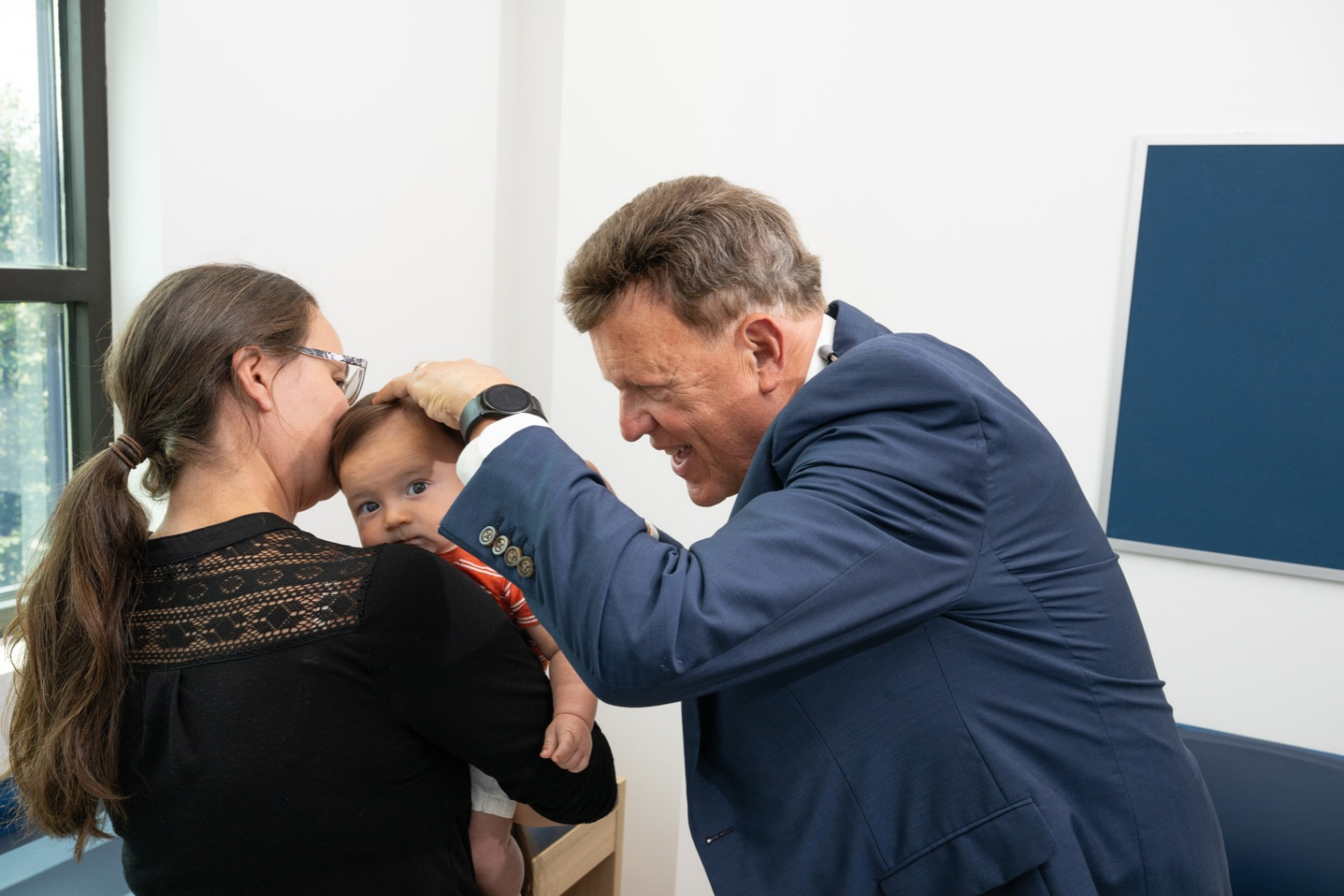
Understanding Your Child’s Pediatric Care Team
Working Together to Care for Your Child
When you bring your child in for a checkup, sick visit, sports physical, or behavioral health concern, you may meet with a pediatrician, nurse practitioner, or physician assistant. It’s natural to have questions about their roles, training, and how they contribute to your child’s care.
At Pediatric Affiliates, our care team includes professionals with different educational backgrounds and clinical experience. Our pediatricians, nurse practitioners, and physician assistants share a commitment to listening to families, addressing concerns, and helping children stay healthy as they grow.
Understanding who’s on your child’s team can help you feel more comfortable asking questions and taking part in decisions about their health.
What Does Each Pediatric Provider Do?
Each type of provider brings specific training and skills to pediatric care. Their responsibilities may overlap, while the care they provide depends on their qualifications, experience, and your child’s needs.
Pediatricians
Pediatricians are physicians who specialize in caring for children. They earn a Doctor of Medicine (MD) or Doctor of Osteopathic Medicine (DO) degree, followed by at least three years of pediatric residency training.
Their education focuses on childhood health, growth, development, and the diagnosis and treatment of illnesses. Pediatricians provide preventive care, evaluate new concerns, manage ongoing conditions, and help determine when a child needs a specialist.
At Pediatric Affiliates, our pediatricians care for children during routine appointments and visits for more complex health concerns. They also help families understand changes in their child’s health and development.
Nurse Practitioners
Nurse practitioners, or NPs, are advanced practice registered nurses who complete graduate education and clinical training. Their preparation builds on nursing education and focuses on evaluating patients, diagnosing conditions, developing treatment plans, and promoting health.
NPs can provide preventive care, treat illnesses, manage ongoing conditions, and prescribe medications within their scope of practice. Education is also an important part of their role, including helping families understand symptoms, treatment, and care at home.
During a visit, a nurse practitioner may review your child’s history, perform an exam, discuss your concerns, and recommend next steps.
Physician Assistants
Physician assistants, or PAs, are licensed healthcare professionals who complete a medical education program that includes classroom learning and supervised clinical training.
PAs evaluate patients, diagnose illnesses, order tests, develop treatment plans, and prescribe medications within their scope of practice. They work as part of a healthcare team, collaborating with physicians and other professionals.
Pediatric Affiliates’ PAs care for children during appointments such as well visits, sick visits, and school or sports physicals. They also answer questions and help families understand their child’s care plan.
How a Collaborative Pediatric Care Team Helps Families
Children’s needs change as they grow. A newborn may need help with feeding and weight gain, while a school-age child may need an illness evaluated or a teen may have questions about physical and emotional changes.
A team that includes pediatricians, NPs, and PAs gives families access to a range of clinical experience. Providers can discuss concerns, consult with colleagues, and recommend additional evaluation when needed.
Depending on the provider and appointment, care at Pediatric Affiliates may include:
- Well-child visits and preventive care
- Evaluation and treatment of common childhood illnesses
- Immunizations and age-appropriate screenings
- School, sports, and camp physicals
- Growth and developmental monitoring
- Management of ongoing health conditions
- Behavioral health evaluations and medication management when appropriate
- Guidance for parents and children
The goal is to match your child’s needs with an appropriate appointment and provider.
Building Relationships with Your Child’s Care Team
Knowing your child involves more than reviewing symptoms. Their health history, daily routines, school experiences, and family concerns all help guide care.
Regular appointments give you and your child opportunities to become familiar with the team. They also allow providers to follow growth, revisit earlier concerns, and discuss what has changed since the last visit.
Whether your child sees a pediatrician, nurse practitioner, or physician assistant, you should feel comfortable sharing observations and asking for clarification. Let the provider know if something about the treatment plan is unclear or may be difficult to follow at home.
What If Your Child Needs Additional Care?
Different strategies work for different children. When everyone is calm, invite your child to try a few options, such as:
- Taking slow breaths together
- Moving to a quieter spot
- Holding a favorite toy
- Drawing or describing what happened
- Taking a short break and returning to the conversation later
You can also make difficult parts of the day more predictable with regular meals and sleep, reminders before transitions, and simple choices when appropriate. These steps won’t prevent every outburst, but they may make some moments easier to manage.
Get to Know Pediatric Affiliates’ Providers
Our pediatricians, nurse practitioners, and physician assistants bring different training and perspectives to a shared purpose: caring for children and supporting the families who care for them.
Visit our provider directory to learn more about our team, or call your nearest Pediatric Affiliates location to schedule your child’s next appointment.
This article provides general information and does not replace guidance from your child’s healthcare provider.
Helpful Resources: